
Functional Dysfunction. What’s really going on in your senior team.
Does anyone have any major concerns they need to raise today? No. Okay, see you next week.
Senior Teams Do A Good Job of Looking Functional
On paper, many senior teams look fine.
Meetings happen. Updates are shared. Revenue is tracked. Nobody is openly fighting. It’s all very polite and business like, and in many cases, things are getting done.
Then you sit in the room.
You see the side conversations after meetings. You notice certain topics never surface. You feel the tension when one executive speaks and others go quiet. Alignment exists in slides but not in behaviour.
I’ve worked with teams where the CEO believed the group was cohesive. In reality, two executives had stopped trusting each other months earlier and were actively sabotaging each other through private channels.
That’s the thing about senior teams. Dysfunction is rarely shouting at you from the board room table. It’s subtle. It shows up in what isn’t said.
People hold back. They avoid certain conversations. They go directly to the CEO instead of resolving things with each other. Meetings stay polite while real decisions happen elsewhere.
From the outside, the team looks functional.
Inside the room, everyone knows something isn’t quite right.
This is usually when someone suggests an offsite.
A day away from the office. Some structured discussions. Maybe a facilitator. Everyone leaves feeling positive. For a few weeks things improve.
Then the old patterns creep back.
Because the issue was never the offsite.
The issue was behaviour.
And behaviour doesn’t change in a single day.
What team coaching actually looks like
A proper team coaching programme is not a quarterly workshop.
It usually starts with individual interviews. I want to understand how each leader experiences the team. Where they feel friction. Where they feel unheard. What they are not saying in the room.
The interesting things rarely appear in the first ten minutes. People talk about strategy, priorities and process. Eventually the conversation shifts. You start hearing about trust, tension, frustration and the things that have been quietly building over time. A full 90 mins is where the magic happens.
That input shapes the work.
Sessions are then designed around the real dynamics of the group, not generic leadership themes. Decision making. Role clarity. Accountability. Board dynamics. Succession planning. The conversations that actually affect how the team functions.
Over twelve months, patterns start to surface.
Leaders interrupt less.
They challenge earlier instead of waiting until after the meeting.
They bring issues to the group rather than escalating them privately.
They prepare differently for board meetings because they know their peers will question them internally first.
The room changes slowly. But surely.
Why it takes time
Senior teams are made up of experienced people. They know how to perform competence. They know how to keep things polite.
Real conversations take time to reach the surface, especially if trust has been broken or was never there in the first place.
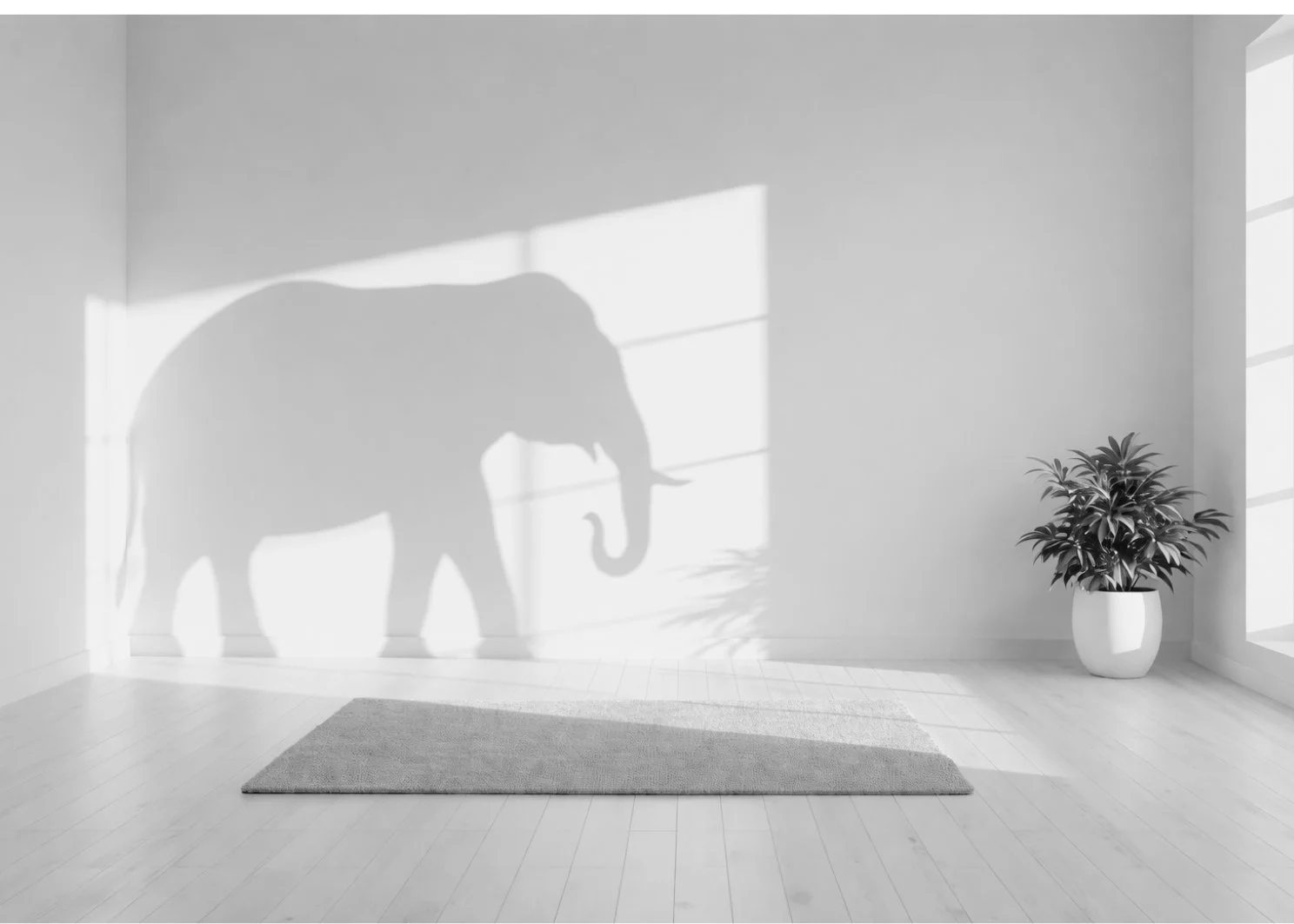
Team coaching works because the same group keeps coming back into the room together. The dynamics repeat. The tensions become harder to ignore. Eventually someone says the “elephant’ that has been circulating quietly for months.
That moment is where the work starts.
Conflict isn’t the goal, but we’re looking for honesty. Vulnerability. Understanding.
Yes it’s uncomfortable. It’s adult. And it’s necessary if you want a leadership team that actually leads rather than simply coexists.
What changes over twelve months
The biggest shift is not strategy. It’s behaviour.
Leaders begin holding each other accountable instead of defaulting to the CEO.
Decisions get tested properly in the room.
Assumptions get challenged earlier.
And the team starts operating as a group with shared responsibility rather than a collection of individuals reporting upwards.
The consistency is the point.
Team Culture doesn’t change because you hired a good facilitator for a day. It changes because behaviour is examined repeatedly in the room where it actually plays out. You need an experienced Team Coach for that.
It’s slower than people want. And far more effective than they expect.